

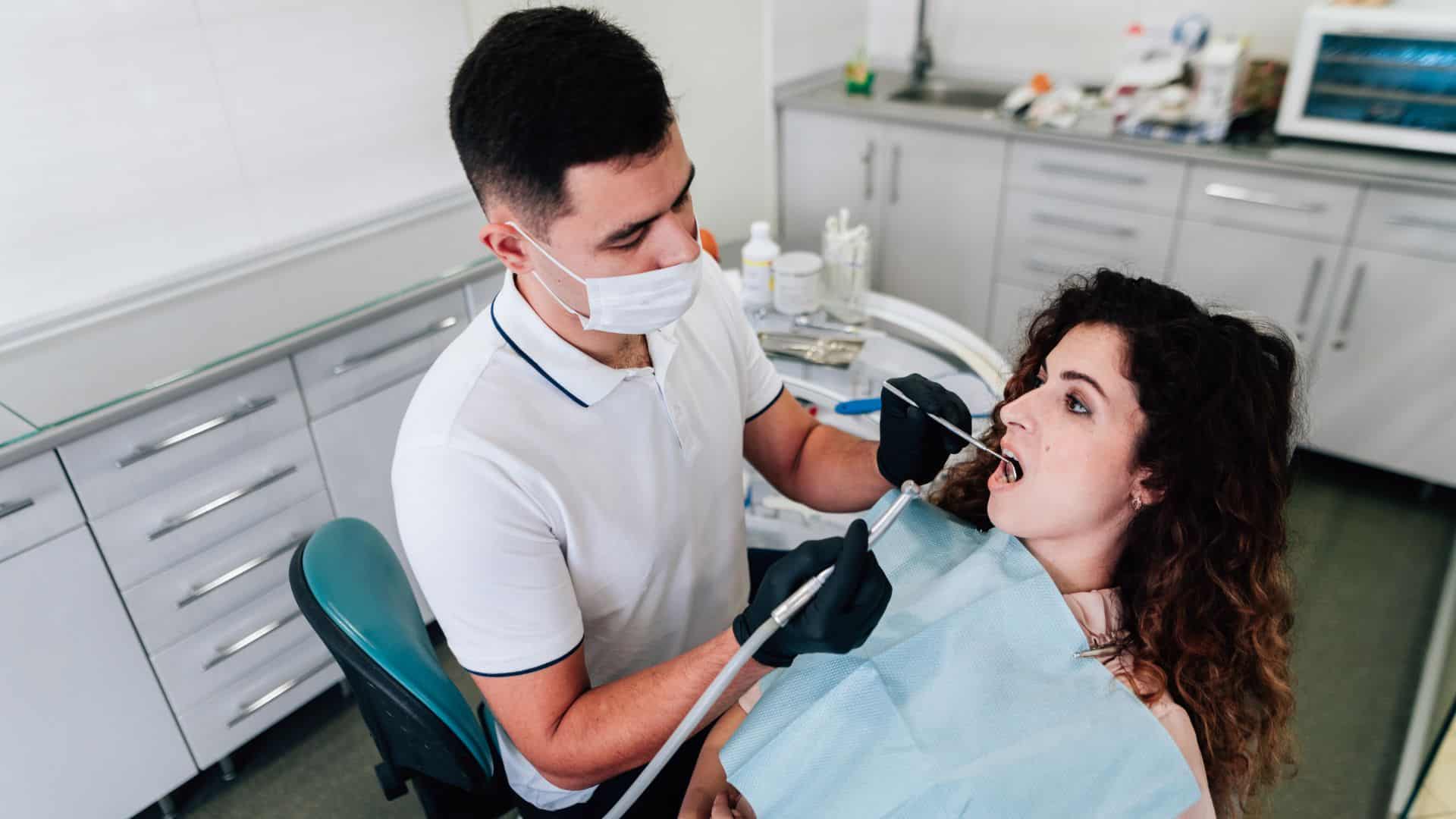
Blog Summary:
If you had a root canal before and are now feeling severe tooth pain, it can be confusing and stressful. This blog explains why pain can return even after treatment, what signs you should not ignore, and what steps you can take right away. You will also learn how dentists treat this problem and what patients in Riverside should know to protect their oral health.
Many people believe that once a root canal is done, the problem is solved forever. In most cases, that is true. But sometimes, pain can return months or even years later.
In Riverside, where people stay busy with work, commuting, and family life, it is easy to ignore small discomfort at first. You might feel a slight sensitivity while eating or a dull ache that comes and goes. Over time, that discomfort can turn into sharp or constant pain.
If this happens, it is your body’s way of telling you something needs attention again.
Ready for a Healthy, Confident Smile? Call Us Today!
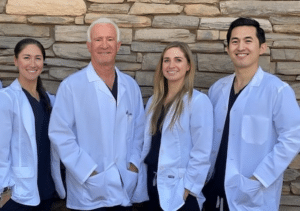
Thank you for taking the time to learn more about how our team at Canyon Crest Dental can help you achieve a healthy, confident smile. At Canyon Crest Dental, Dr. Merrihew and our warm, dedicated team are committed to providing top-quality care in a comfortable, welcoming environment. Whether you’re looking to maintain your smile or address a specific dental concern, we are here to guide you every step of the way.
Your smile deserves the best, and we are excited to welcome new patients to our practice. If you’re ready to take the next step toward better oral health, call us today to schedule your appointment. Let’s work together to keep your smile bright and healthy for years to come!
Why Pain Can Return After a Root Canal
There are a few reasons why a treated tooth may start hurting again. One common reason is that bacteria may have found their way back into the tooth. This can happen if the filling or crown becomes loose or worn over time.
In some cases, the original infection may not have fully healed. Teeth can have very small canals that are difficult to clean completely, and bacteria can remain hidden.
Another reason could be a new issue, such as a crack in the tooth or decay forming around the treated area. Even though the nerve was removed during the root canal, the surrounding tissues can still become inflamed or infected.
Signs That Should Not Be Ignored
It is important to pay attention to what your tooth is telling you. Severe or constant pain is a clear sign that something is wrong.
You may also notice swelling in the gums near the treated tooth or sensitivity when biting down. Some patients experience a small bump on the gum, which can indicate an infection.
In Riverside, patients often wait to see if the pain goes away on its own. While mild discomfort can sometimes settle, ongoing or increasing pain should never be ignored.
What You Should Do Right Away
If you are dealing with severe tooth pain after a root canal, the first step is to stay calm and avoid putting pressure on that tooth. Try to chew on the other side of your mouth and stick to softer foods.
Keeping the area clean by brushing gently and rinsing can help prevent further irritation. Over-the-counter pain relief may reduce discomfort temporarily, but it does not fix the underlying issue.
The most important step is to schedule a dental visit as soon as possible. Waiting too long can allow the problem to get worse and may lead to more complicated treatment.
How Dentists Treat Pain in a Previously Treated Tooth
When you visit the dentist, they will examine the tooth and may take X-rays to understand what is happening below the surface.
One possible solution is retreatment. This means reopening the tooth, cleaning it again, and sealing it properly. This can help remove any remaining infection.
In some cases, a small surgical procedure may be needed to remove infection from the tip of the root. If the tooth is too damaged, other options may be discussed.
This is where understanding root canal therapy becomes important, as it is not just about the first treatment but also about maintaining the health of the tooth over time.
Why Early Treatment Makes a Difference
Addressing the problem early can help save your tooth and prevent the infection from spreading.
Delaying treatment can lead to more pain, swelling, and possible damage to nearby teeth or bone. Acting quickly often means simpler and more effective solutions.
For patients in Riverside, where schedules can get busy, setting aside time for a dental visit may feel difficult.
However, taking action early can save time and discomfort later.
I was having a toothache all weekend long and wasn’t able to see a dentist until Tuesday afternoon. I called Canyon Crest Dental at 8:30 AM Monday morning and they had me in a chair at 10 AM that day and diagnosed my root canal. They started treatment right after and now I’m pain free. After telling my wife about how professional and caring the entire staff was, she booked an appointment with them for the next day. I will definitely keep them as my primary dental care team. – J Hixon
Don’t just take our word for it, check out our real patients’ Google reviews and see why they trust us for their dental care.
How to Lower the Risk of Future Problems
Even after a successful root canal, ongoing care is important. Regular dental visits help check the condition of the treated tooth and catch small issues before they become bigger.
Good daily habits like brushing, flossing, and avoiding very hard foods can also help protect your tooth.
Crowns or restorations placed after a root canal should be monitored as well. If they become loose or damaged, they should be repaired to prevent bacteria from entering again.
Wondering if a root canal treatment guarantees long-term relief? Learn more about the process and its potential complications in our previous blog on the truth about root canal treatment here.
A Reliable Way to Get the Care You Need
Dealing with tooth pain after a root canal can feel overwhelming, especially when you thought the problem was already fixed. Getting the right care at the right time makes a big difference.
At Canyon Crest Dental, patients receive clear guidance when dealing with recurring tooth pain. Each situation is carefully evaluated to understand the cause and decide the next step.
Whether the tooth needs retreatment or another solution, the focus is on helping you move out of pain and protecting your natural tooth whenever possible. With the right approach, root canal therapy can continue to support your oral health and help you return to your normal routine without ongoing discomfort.
Conclusion
Tooth pain after a root canal can be surprising, but it is not something you have to ignore or live with. There are clear reasons why pain may return, and there are effective ways to treat it.
Understanding the signs, acting early, and seeking proper care can help you protect your tooth and avoid further complications.
If you notice discomfort in a previously treated tooth, taking the next step sooner rather than later can make the experience much easier to manage.
FAQs
Why does my tooth hurt years after a root canal?
Pain can return if there is a new infection, a crack in the tooth, or an issue with the crown or filling.
What should I do if my root canal tooth starts hurting suddenly?
Avoid chewing on that side, keep the area clean, and schedule a dental visit as soon as possible.
Can a root canal be done again on the same tooth?
Yes, retreatment is possible and is often used to clean out any remaining infection and reseal the tooth.
How do I know if the pain is serious?
Severe pain, swelling, or a bump on the gums are signs that you should see a dentist right away.
Can I prevent problems after a root canal?
Yes, regular dental visits, proper oral hygiene, and taking care of crowns or fillings can help prevent future issues.


