

Blog Summary:
If you’re experiencing recurring pain or issues after a root canal, this blog explains why your treatment may need to be redone. We cover common causes of re-treatment, signs that indicate a problem, what happens during a re-treatment procedure, pain management, and tips for maintaining a healthy smile afterward.
You’ve just undergone a root canal, relieved to be free from that painful toothache finally. However, then, weeks or even months later, you start to feel that familiar discomfort again. You wonder, “Why is this happening? Didn’t the procedure fix it for good?” If you’ve been in Riverside for a while, you know that life’s pace can be fast—your smile is one of the first things you want to keep shining. But what if the solution wasn’t permanent after all?
While the therapy can save your tooth, it’s not always a one-and-done fix. In fact, certain conditions can lead to complications that bring back the pain, even after you’ve thought it was resolved. Whether it’s a lingering infection or cracks that let bacteria in, root canal re-treatment might be necessary. Keep reading to find out why this happens and how you can prevent it from happening to you in the future.
Ready to Restore Your Smile? Schedule Your Appointment Today!

Thank you for taking the time to learn more about why your root canal may need to be redone! We hope this blog has given you a clearer understanding of the signs, causes, and solutions for recurring issues after root canal treatment. At Canyon Crest Dental, Dr. Merrihew and Dr. James Lin are passionate about helping patients maintain healthy, pain-free smiles.
Every consultation is personalized, and our friendly team is here to guide you toward the treatment options that are right for you. Whether it’s re-treating a root canal or planning preventive care, we take the time to ensure you feel comfortable, informed, and confident every step of the way. We’d love to help you protect your teeth and reveal the natural strength of your smile—come see us and let’s get started!
Schedule an appointment today and take the first step toward a healthier, brighter smile.
Why Root Canal Treatment May Not Always Be A Permanent Solution?
Nerve treatments are planned to remove infected tissue and preserve your tooth. However, they don’t always guarantee a lifetime of comfort. The hot summers and cool winters in Riverside can make the treated area more temperature-sensitive, highlighting lingering issues such as cracks or reinfection. Although the procedures are generally successful, some patients experience recurring problems that require re-treatment.
In this region, regular dental checkups become even more important, as residents face environmental factors that might affect their oral health. The dry climate can lead to dry mouth, making the treated tooth more susceptible to bacterial buildup. The city’s unique combination of heat and cold could cause the tooth to contract and expand, potentially leading to microfractures.
Reasons Why Your Endodontic Treatment May Need To Be Redone
Although your first therapy may have appeared to solve the problem, certain conditions might cause it to fail. Common reasons for re-treatment include:
Persistent Infection: Bacteria can remain in or re-enter the tooth, leading to recurrent infection.
Missed Canals: Sometimes, canals are too small to detect, allowing bacteria to stay behind and reinfect the tooth.
Tooth Damage or Fractures: Cracks from chewing stress can lead to reinfection.
Poor Seal or Filling: If the initial filling or crown fails, bacteria can enter and cause issues.
Delayed Aftercare: Missing a follow-up appointment or delaying a crown placement soon after the procedure may leave the tooth vulnerable.
Sure Signs You Might Need A Pulp Therapy Redone
If you’ve had a root canal in Riverside, watch for these signs that it may need re-treatment:
- Persistent pain in the treated tooth
- Swelling around the tooth or gums
- Sensitivity to hot or cold that doesn’t subside
- A pimple or abscess near the treated tooth
If any of these symptoms occur, contact your Riverside dentist immediately for an evaluation.
What Happens During The Re-Treatment Appointment?
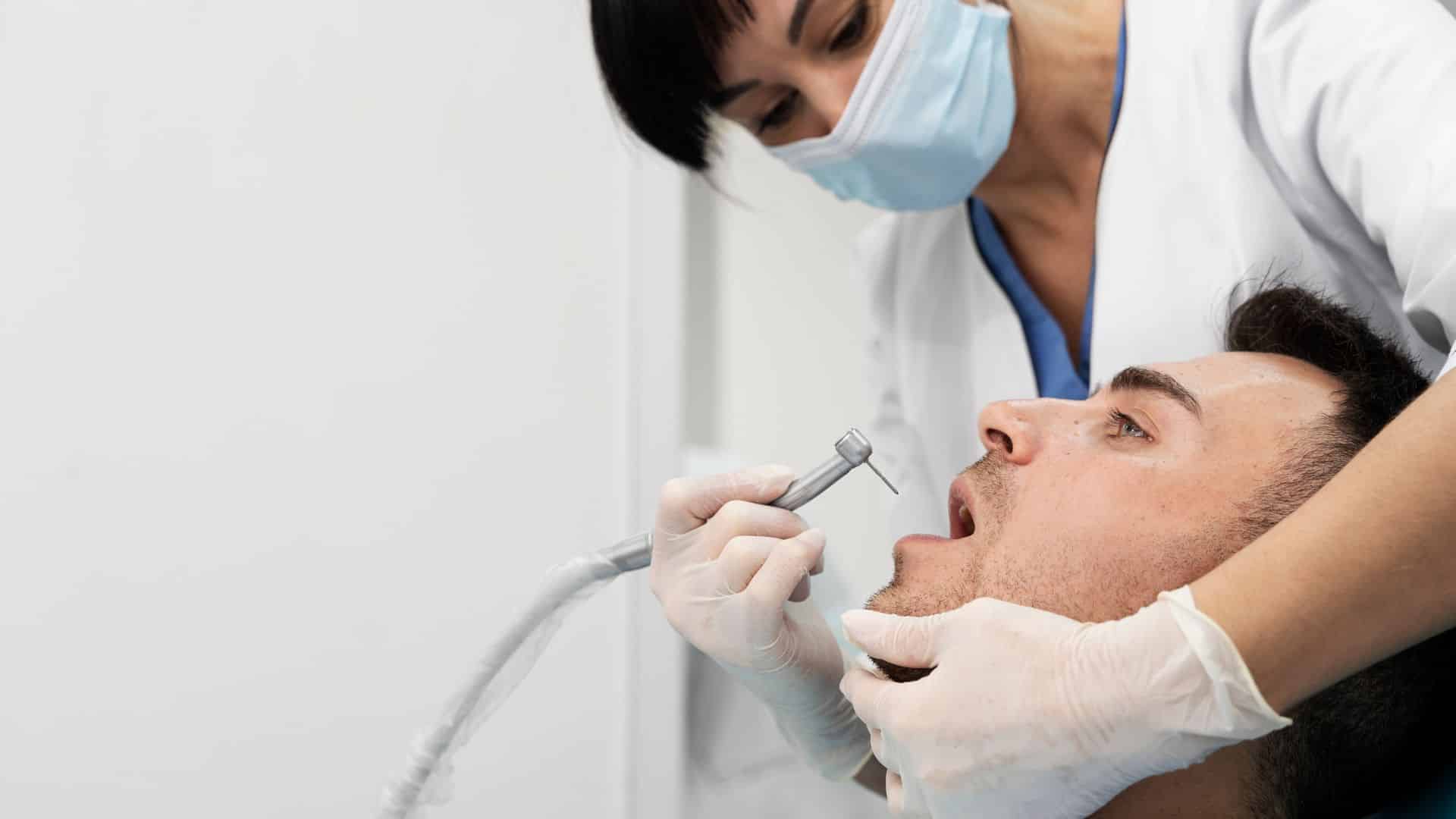
An advanced nerve treatment focuses on effectively addressing complications. During the appointment, a dentist will remove the old filling, clean the canals again, and place a new seal. In some cases, a new crown will be placed to restore the tooth’s strength. Advanced root canal treatment for patients ensures all areas are thoroughly cleaned and sealed to prevent future infections.
Is A Dental Root Re-Treatment Painful?
The procedure is generally no more painful than the original procedure. A Riverside dentist will use local anesthesia to ensure you feel no pain during the process. Afterward, you may experience some discomfort, but this is usually manageable with proper care.
Having recently moved to the Riverside area from LA, and having to move from my dentist of 21 years (who was great but now to far away), I was nervous about going to a new dentist. However, out of necessity I needed a dentist and tried Canyon Crest. I have found their overall service, and more importantly patient care excellent, and would highly recommend especially if you are, like me, someone who is not a fan of going to the dentist. Based on my experience (2 x crowns and 1 x root canal), I certainly recommend this dental practice. – R Ancill
We invite you to hear directly from our patients by checking out our Google reviews ✩ ✩ ✩ ✩ ✩ .
How To Maintain A Healthy Smile Post-Pulp Surgery?
To avoid re-treatment and keep your smile healthy:
- Brush twice a day and floss daily to remove plaque.
- Stay hydrated, especially during Riverside’s hot summer months, to prevent dry mouth.
- Avoid chewing on hard foods to prevent cracks in the treated tooth.
- Visit your dentist regularly to ensure your treated tooth stays healthy.
Living in Riverside means enjoying the sunshine and local charm, but it also means paying attention to your oral health in a climate that can affect your teeth. A root canal can be a long-term solution, but it’s crucial to maintain regular checkups to catch any issues early. If you’re experiencing any symptoms, schedule a visit to your dentist to determine the best course of action. Addressing the problem early can help prevent further complications and keep your tooth healthy.
Worried that your recent root canal isn’t as permanent as you hoped? Learn the full truth about what to expect during and after root canal treatment in our detailed guide.
Restore Confidence in Your Smile with Canyon Crest Dental
If you’re experiencing lingering discomfort or new symptoms after a root canal, Canyon Crest Dental in Riverside is here to help you understand what’s going on and guide you through the best next steps. At Canyon Crest Dental, root canal therapy is not just about treating pain — it’s about saving your natural tooth and restoring its full function through careful cleaning, sealing, and expert follow‑up care.
Our experienced team, including specialists like Dr. James Lin, is dedicated to delivering comprehensive care with comfort and precision. Whether it’s re‑treating a previously treated tooth or evaluating your symptoms to prevent further issues, we ensure that every patient receives thoughtful, personalized attention from consultation through treatment.
At Canyon Crest Dental, you’ll find a caring environment where your questions are welcomed and where we work together to protect your smile for years to come. Schedule an appointment today to discuss your concerns and explore how advanced root canal care can help you get lasting relief.
Frequently Asked Questions (FAQs)
1. Why might a treated tooth still feel infected after root canal therapy?
Even after an endodontic treatment, bacteria can remain in tiny, hard-to-reach spaces or re-enter through cracks in the tooth. If you’re experiencing discomfort, it’s essential to visit us for an evaluation.
2. Can a root canal procedure fail even when performed correctly?
Yes, anatomical complexities like hidden or extra canals can sometimes allow bacteria to persist, despite a successful procedure. If symptoms return, we’ll thoroughly assess and determine if re-treatment is necessary.
3. What do dentists check to confirm root canal treatment success?
We evaluate healing through X-rays, checking for inflammation or infection, and monitor your symptoms to ensure the issue is resolved. Regular checkups are essential to confirm the long-term success of your treatment.
4. Why might a tooth with no pain still need a root canal?
Sometimes, the tooth pulp can be damaged without causing pain. We rely on X-rays and other diagnostic tools to detect problems that may not show symptoms but still require treatment to prevent further damage.
5. What role do X-rays play in root canal decision-making?
X-rays are essential for visualizing the extent of infection and the internal anatomy of your tooth. They guide our treatment plan, ensuring we clean and seal all areas thoroughly for optimal results.


