

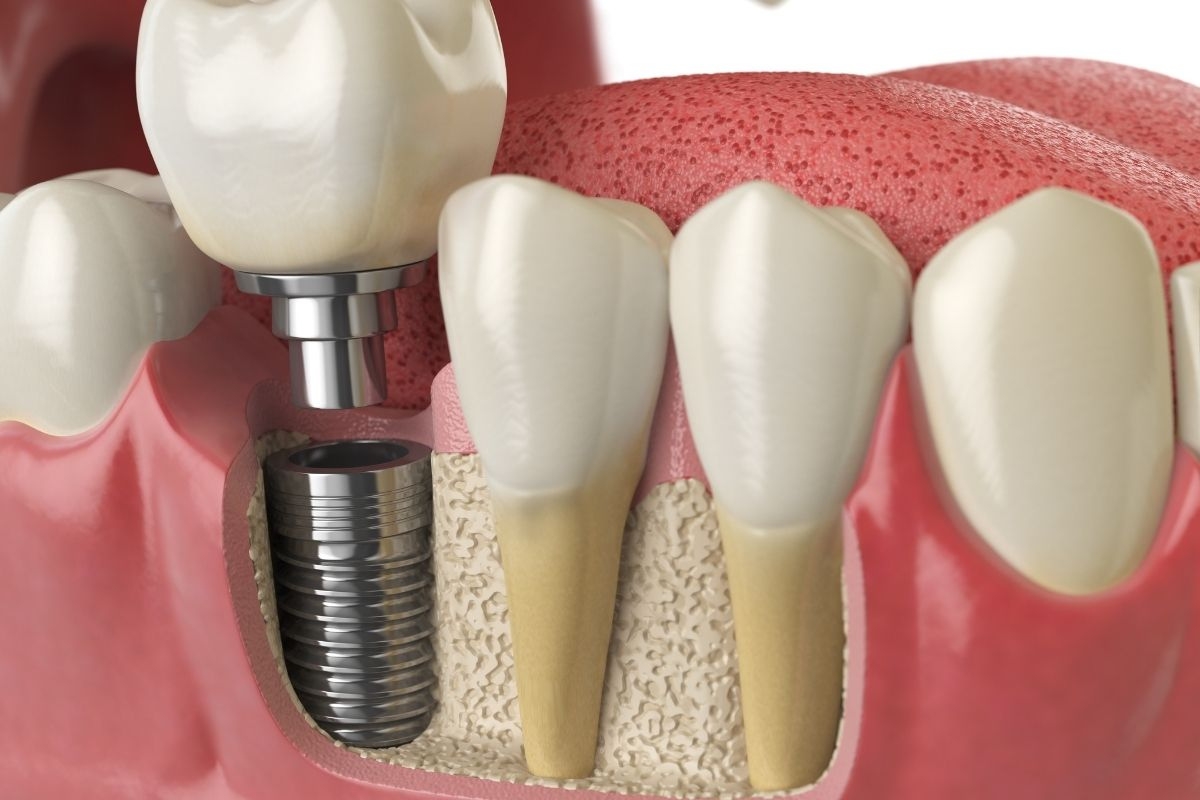
Do concerns about pain keep you from replacing a missing tooth? You’re not alone. Many people considering implant treatment wonder whether the procedure is painful and what recovery feels like afterward. The reality is that most patients report the process is more comfortable than they expected, especially with modern techniques and proper aftercare.
At Canyon Crest Dental in Riverside, we understand these concerns because they are among the most common questions patients ask before treatment. If you’re considering dental implants in Riverside, this guide explains what happens before, during, and after surgery, what level of discomfort is normal, how to manage recovery, and when you should contact your dentist. Knowing what to expect can help you feel more prepared and confident about restoring your smile.
Does Dental Implant Surgery Hurt?
Most patients feel pressure during implant surgery rather than pain because the area is completely numbed with local anesthesia.
The implant is placed after the treatment area has become numb, allowing the procedure to be completed comfortably. While you may notice gentle pressure or vibration, you should not experience sharp dental pain during surgery.
Some patients with dental anxiety may also discuss sedation options with their dentist to make the appointment even more comfortable.
Every treatment plan is customized based on factors such as:
- The number of implants being placed
- Bone quality and jaw anatomy
- Whether bone grafting is needed
- Overall oral and general health
Understanding these factors before treatment helps patients know what to expect on the day of surgery.
Why Doesn’t the Procedure Feel Painful?
Local anesthesia temporarily blocks pain signals from the treatment area while allowing you to remain awake during the procedure.
If sedation is recommended, it helps patients feel more relaxed without replacing the numbing medication itself. Together, these approaches allow most implant procedures to be completed with minimal discomfort.
What Does Recovery Feel Like After Implant Surgery?
Mild soreness after implant surgery is normal and usually improves during the first several days.
As the numbness wears off, you may notice:
- Mild to moderate soreness
- Swelling around the implant site
- Minor bruising
- Jaw stiffness
- Tenderness while chewing
These symptoms are a normal part of the body’s healing response and do not necessarily indicate a problem.
Many patients compare recovery from dental implants to the healing process after a routine tooth extraction.
How Long Does the Discomfort Last?
Recovery varies from person to person, but most patients notice the greatest improvement within three to five days.
Some tenderness may continue for a week or slightly longer, particularly if additional procedures such as bone grafting were performed. Your dentist will provide personalized post-operative instructions to support a smooth recovery.
What Factors Can Affect Dental Implant Pain?
Not every patient has the same recovery experience. Several factors can influence how much discomfort you feel after surgery.
These include:
- The number of dental implants placed
- Bone grafting or sinus augmentation
- Smoking or tobacco use
- Existing gum disease
- Overall healing ability
- Following post-operative instructions carefully
Patients who closely follow their aftercare instructions often experience a smoother recovery with less dental pain.
At Canyon Crest Dental, every patient receives detailed recovery instructions along with guidance on eating, oral hygiene, activity levels, and follow-up visits. If you are considering dental implants in Riverside, understanding the recovery process ahead of time can make the experience much less stressful.
Is Swelling Normal After Implant Surgery?
Yes, swelling is one of the body’s natural healing responses after oral surgery. It usually becomes more noticeable within the first 24 to 48 hours, then gradually improves.
Applying a cold compress during the first day and following your dentist’s instructions can help minimize swelling and improve comfort during recovery.
How Can You Manage Pain After Dental Implant Surgery?
Most post-operative discomfort can be managed with simple home care and by following your dentist’s instructions. Taking care of the surgical site during the first few days supports healing and helps minimize unnecessary discomfort.
Here are a few ways to stay comfortable after surgery:
- Take prescribed or recommended medications as directed.
- Apply a cold compress during the first 24 hours.
- Get plenty of rest and avoid strenuous exercise.
- Keep your head slightly elevated while sleeping.
- Drink plenty of water to stay hydrated.
- Avoid smoking and alcohol during healing.
These simple steps can reduce dental pain while allowing the implant site to heal naturally.
What Foods Should You Eat After Implant Surgery?
The surgical area needs time to recover, so choosing soft foods helps avoid unnecessary pressure on the implant.
During the first few days, consider eating:
- Yogurt
- Mashed potatoes
- Scrambled eggs
- Smoothies
- Applesauce
- Oatmeal
- Soup (warm, not hot)
- Cottage cheese
Avoid chewing directly on the surgical area until your dentist tells you it is safe to resume your normal diet.
When Should You Call Your Dentist?
Some discomfort is expected, but worsening symptoms should never be ignored.
Contact your dental office promptly if you experience:
- Severe or increasing dental pain several days after surgery
- Persistent bleeding that does not improve
- Swelling that becomes worse after three days
- Fever or chills
- Pus or drainage around the implant site
- Difficulty opening your mouth
- A loose implant
These symptoms do not always indicate a serious complication, but they should be evaluated as soon as possible.
At our dental office in Riverside, we encourage patients to contact us whenever they are unsure whether a symptom is part of normal healing. Early evaluation often helps prevent more significant concerns.
Can You Return to Normal Activities Right Away?
Most patients return to work or their routine within one or two days, depending on the complexity of the procedure.
However, you should avoid:
- Heavy lifting
- Intense exercise
- Smoking
- Drinking through a straw
- Crunchy or hard foods
Giving your body adequate time to heal supports successful integration of the implant with the jawbone.
If you’re considering dental implants in Riverside, understanding these recovery guidelines beforehand can make the healing process much more manageable.
Does Implant Pain Mean the Treatment Is Failing?
Not necessarily; many patients worry when they notice soreness during the first few days. In most cases, this discomfort reflects normal healing rather than implant failure.
Your dentist will monitor the implant during follow-up visits to ensure it is healing properly. If symptoms suddenly worsen rather than improve, an examination can determine the cause and whether additional treatment is needed.
Restore Your Smile with Confidence
Many patients are surprised to learn that implant surgery is often more comfortable than they expected. Knowing what is normal during recovery and when to contact your dentist allows you to approach treatment with greater confidence.
At Canyon Crest Dental, we take time to answer your questions, explain every step of treatment, and support you throughout recovery. If you’re considering dental implants in Riverside, we invite you to visit our dental office to learn how implant treatment can restore your smile and oral function. Our Riverside dentist is here to provide personalized guidance and compassionate care every step of the way.
Frequently Asked Questions
How long should I expect soreness after dental implant surgery?
Most patients experience the greatest discomfort during the first two to three days. Mild tenderness may persist for about a week, especially if additional procedures, such as bone grafting, were performed. If the pain becomes worse instead of better, schedule a dental evaluation to ensure the implant is healing properly.
Can I go to work the day after dental implant surgery?
Many people return to work within one or two days after treatment, depending on the type of work they do and the number of implants placed. Your dentist can recommend the appropriate recovery time based on your procedure and overall health.
Is throbbing pain normal several days after implant surgery?
Some mild discomfort is expected, but severe or increasing pain several days after surgery is not considered typical. If throbbing pain continues or is accompanied by swelling, fever, or drainage, contact your dental office promptly so the implant can be evaluated.
What foods should I avoid while my implant heals?
Avoid hard, crunchy, sticky, or very hot foods during the early stages of healing. Chewing directly on the implant site can interfere with recovery. Your dentist will let you know when it is safe to gradually return to your normal diet after examining the healing area.
Can older adults receive dental implants comfortably?
Yes, age alone does not prevent someone from receiving implant treatment. Many healthy older adults are excellent candidates. A comprehensive dental examination allows the dentist to evaluate bone health, medical history, and oral health before recommending the most appropriate treatment plan.


