

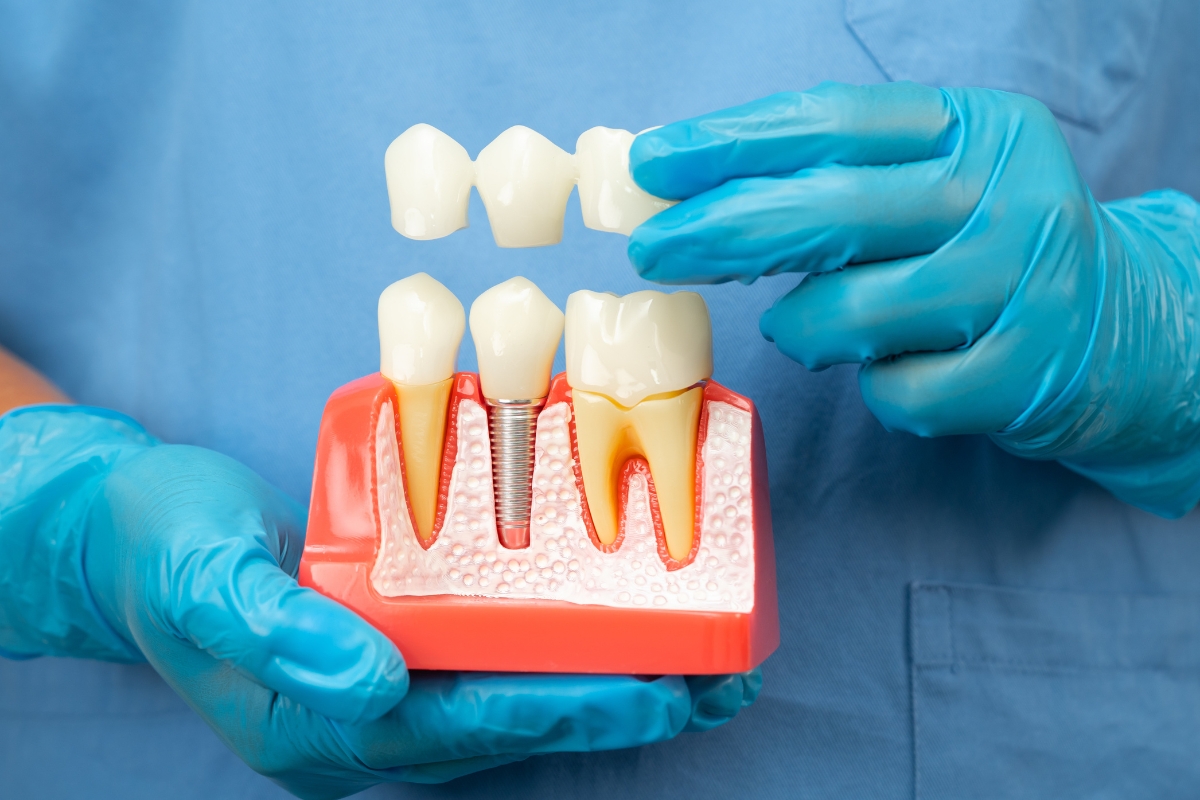
Losing a tooth can affect much more than appearance. It can change how you chew, speak, and feel about your smile. Dental implants have become one of the most predictable ways to replace missing teeth because they function like natural tooth roots and support long-term oral health. Still, many patients share the same concern before treatment begins: can the body reject a dental implant? The good news is that true implant rejection is uncommon. Most implant complications result from issues that develop during healing or after placement rather than the body refusing the implant itself. Understanding the difference can help patients recognize warning signs early and take steps that support successful healing.
Many people often ask, “Can dental implants be rejected”? According to the National Institutes of Health, dental implants generally demonstrate long-term success rates above 90% when properly planned and maintained. At Canyon Crest Dental, patients often ask how implant problems arise, how they can be prevented, and what treatment options are available if concerns develop. This guide explains what every patient should know before moving forward with treatment.
Why Do Implant Complications Happen in the First Place?
This section explains the most common reasons implants encounter problems and why understanding risk factors helps protect long-term results.
Infection Around the Implant Site
One of the leading causes of implant complications involves infection in the surrounding gum tissue. Bacteria can collect around the implant and trigger inflammation. If left untreated, the supporting bone may begin to weaken. Early treatment often prevents more serious damage. Regular checkups and thorough home care play a major role in reducing this risk.
Insufficient Bone Support
An implant depends on a healthy jawbone for stability. When significant bone loss exists before treatment, the implant may not integrate properly with surrounding structures. Proper evaluation before placement helps determine whether enough bone support exists for predictable results.
Smoking and Tobacco Use
Smoking restricts blood flow and slows healing. It can also increase the risk of infection and interfere with the fusion process between the implant and bone. Patients who quit smoking before and after treatment often experience better healing outcomes.
Certain Medical Conditions
Conditions that affect healing may influence implant success. Poorly managed diabetes and other systemic health concerns can slow recovery and increase complication risks. Open communication about medical history allows treatment planning that supports safer healing.
What Warning Signs Should Never Be Ignored?
Recognizing symptoms early often prevents a minor concern from becoming a more significant problem.
Persistent Pain After Initial Healing
Some soreness is normal after placement. However, discomfort that continues for weeks or becomes more intense deserves professional attention. Pain may indicate infection, pressure issues, or problems with implant integration.
Swollen or Bleeding Gums
Healthy gums should gradually improve during recovery. Ongoing swelling, tenderness, or bleeding may signal inflammation around the implant. Prompt evaluation helps identify the source before damage progresses.
Implant Mobility
A properly integrated implant should remain stable. Movement often indicates a problem with bone support or attachment. Patients should never attempt to test implant stability themselves. Any sensation of looseness should be evaluated immediately.
Difficulty Chewing
An implant should feel comfortable during normal function. Pain while eating or unusual pressure may indicate an underlying issue requiring adjustment or treatment. Many residents who hike Mount Rubidoux regularly understand how important physical wellness is. The same principle applies to oral health because healthy tissues support successful implant healing.
What Increases the Risk of Implant Failure?
Several everyday habits and health factors influence healing. Understanding these risks helps patients make informed decisions before treatment. Common risk factors include:
- Poor oral hygiene habits
- Smoking or vaping
- Untreated gum disease
- Chronic teeth grinding
- Delayed treatment for oral infections
- Inconsistent professional dental visits
- Poor management of certain health conditions
- Excessive pressure on the implant during healing
Each factor affects healing differently. Some increase bacterial buildup, while others interfere with bone integration. Identifying risks before treatment allows the care team to develop a more predictable treatment strategy. This is often where patients begin asking why do dental implants fail. In most situations, failure results from a combination of risk factors rather than a single cause. Early planning and consistent maintenance remain two of the strongest predictors of long-term success.
Can a Failed Implant Be Saved?
Many patients assume a problem automatically means losing the implant. In reality, treatment options often exist when concerns are identified early.
Early Intervention Often Makes a Difference
Small problems rarely improve on their own. Addressing inflammation, infection, or bite issues early may help preserve surrounding tissues and improve outcomes. The sooner concerns are evaluated, the more treatment possibilities may be available.
Professional Evaluation Reveals the Cause
Every implant complication has an underlying reason. Imaging, examination, and health history review help determine whether infection, bone loss, excess pressure, or another factor contributes to the problem. Understanding the cause guides the next step.
Restoring Healthy Support Structures
When gum or bone health becomes compromised, restoring healthy support structures may become part of treatment. Strengthening the foundation helps improve stability and function. Many patients wonder what happens if a dental implant fails. The answer depends on the specific situation. Some cases require treatment of surrounding tissues before replacement becomes an option, while others involve correcting contributing factors and monitoring healing.
Replacing an Implant When Necessary
In situations where the implant cannot be preserved, replacement may still be possible after proper healing and preparation. Advances in modern implant dentistry allow many patients to regain stable and functional tooth replacement even after previous complications.
How Can You Improve the Chances of Long-Term Implant Success?
The best way to avoid complications is to support healing before treatment begins and maintain healthy habits afterward.
Choose Comprehensive Treatment Planning
Successful implants begin long before placement day. Careful evaluation of oral health, bone levels, bite alignment, and medical history helps create a solid foundation for treatment.
Prioritize Daily Oral Hygiene
Consistent brushing and cleaning around the implant helps reduce bacterial buildup. Healthy gums provide essential support for long-term stability.
Attend Regular Maintenance Visits
Professional examinations allow small concerns to be detected before symptoms become noticeable. Preventive care remains one of the most effective ways to protect an implant investment.
Protect Against Excessive Pressure
Grinding and clenching place significant force on teeth and implants. Protective appliances may be recommended when excessive pressure threatens oral structures.
Follow Post-Treatment Instructions Carefully
Healing requires cooperation between the patient and the provider. Following dietary recommendations, hygiene instructions, and follow-up schedules helps support successful recovery.
Patients often search for how dentists fix failed implants because they assume implant complications are permanent. In reality, modern treatment options can address many concerns when identified early and managed appropriately.
Protecting Your Smile Starts With the Right Information
Dental implants remain one of the most successful tooth replacement solutions available today. While true rejection is rare, complications can occur when infection, bone loss, health conditions, or lifestyle habits interfere with healing. Knowing the warning signs and seeking prompt evaluation can make a meaningful difference in protecting long-term results.
If you have concerns about an existing implant or want to learn whether implant treatment is right for your situation, the team at Canyon Crest Dental can provide a comprehensive evaluation and personalized guidance during a consultation. Understanding your oral health today may help prevent bigger problems tomorrow and support a healthier, more confident smile for years to come.
FAQs
Can age affect the success of an implant procedure?
Age alone rarely determines implant success. Overall health, bone quality, oral hygiene habits, and healing ability usually have a greater impact. Many older adults enjoy successful outcomes when they maintain healthy gums and follow recommended care instructions.
How long should mild soreness last after implant placement?
Minor discomfort often improves within several days and continues decreasing as healing progresses. Pain that worsens, persists unexpectedly, or returns after improvement should be evaluated to rule out complications and ensure proper recovery.
Can teeth grinding damage an implant restoration?
Yes. Repeated grinding creates excessive pressure that may affect surrounding structures and restorations. Identifying grinding habits early allows protective measures that help reduce stress and preserve long-term stability.
Is swelling normal after implant treatment?
Some swelling commonly occurs during the early healing phase. It should gradually improve over time. Significant swelling, worsening discomfort, or signs of infection require prompt professional evaluation to determine the cause.
Do implants require special cleaning products?
Most patients can maintain implants with consistent brushing and cleaning techniques recommended by their dental provider. The goal is to remove plaque effectively and keep surrounding tissues healthy through daily oral hygiene habits.
How often should implant patients schedule maintenance visits?
Routine examinations help monitor gum health, implant stability, and surrounding bone support. Visit frequency varies by individual needs, but regular preventive appointments allow concerns to be identified before they become more serious.


