

Most people assume orthodontic treatment is something you either needed as a kid or missed your chance at. But that’s far from the truth. Every week, patients walk into dental offices across Riverside, CA adults, teens, and parents bringing in their children and discover issues they’ve lived with for years are not just cosmetic concerns. They’re signs that their bite, jaw, or alignment needs professional attention.
The tricky part? Many of the signs you need orthodontics don’t announce themselves loudly. They show up as a slight difficulty chewing, a habit of breathing through your mouth, or teeth that you’ve learned to smile around rather than with. This guide is here to help you recognize those signals and understand what to do about them.
Crowded or Overlapping Teeth
This is one of the most visible and common reasons people seek orthodontic care. When your jaw doesn’t have enough space to accommodate all your teeth, they begin to crowd together, twist, or overlap to fit.
Beyond the appearance, crowded teeth create a real oral hygiene challenge. Toothbrush bristles and floss struggle to reach into tight, overlapping spaces which means plaque and bacteria accumulate in areas that are almost impossible to clean properly. Over time, this raises the risk of cavities and gum disease even in people who brush and floss consistently.
If you find yourself avoiding certain angles in photos or feeling self-conscious about your smile, crowding may be the underlying reason and it’s very treatable.
Gaps Between Teeth
On the other end of the spectrum, some people have more space than their teeth can fill. Gaps whether between the front teeth or scattered throughout the mouth can affect both the appearance and the function of your smile.
Gaps allow food to become trapped easily and can put uneven pressure on certain teeth during chewing. In some cases, gaps are also a sign that a tooth is missing or that the jaw is growing unevenly. An orthodontic evaluation can identify what’s causing the spacing and whether treatment is the right next step.
An Uneven or Misaligned Bite
Your bite is the way your upper and lower teeth come together when you close your mouth. When that relationship is off, even slightly it affects far more than your appearance.
Common bite issues include:
- Overbite — upper front teeth extend too far over the lower teeth
- Underbite — lower teeth sit in front of the upper teeth when biting down
- Crossbite — some upper teeth sit inside the lower teeth rather than outside
- Open bite — upper and lower front teeth don’t meet at all when the mouth is closed
Left uncorrected, bite problems can lead to uneven tooth wear, jaw pain, headaches, and even difficulty speaking clearly. These aren’t just cosmetic issues, they’re functional ones that tend to worsen over time without intervention.
Jaw Pain, Clicking, or Frequent Headaches
Do you wake up with jaw soreness? Notice a clicking or popping sound when you open your mouth wide? Experience tension headaches that seem to concentrate around your temples or the sides of your face?
These symptoms are often connected to how your teeth and jaw align. When your bite is off, the muscles and joints responsible for chewing and jaw movement are forced to compensate and over time, that compensation causes strain. Many patients are surprised to learn that jaw discomfort and chronic headaches can have an orthodontic root cause.
If these symptoms sound familiar, it’s worth having a professional evaluate your bite. Addressing the alignment issue often brings significant relief.
Difficulty Chewing or Biting Certain Foods
Chewing should be effortless. If you find yourself unconsciously avoiding hard, crunchy, or chewy foods or if you always chew on one side of your mouth, that’s your body signaling that something about your bite isn’t working the way it should.
This kind of functional difficulty is one of the clearest signs you need orthodontic treatment that often gets rationalized away as a personal preference rather than a dental concern. It isn’t. Difficulty biting or chewing evenly puts disproportionate stress on certain teeth and jaw muscles and deserves a professional look.
Mouth Breathing or Speech Difficulties
Chronic mouth breathing, especially in children, is frequently linked to jaw development and airway issues that orthodontic treatment can help address. Similarly, certain speech patterns, lisps, difficulty with specific sounds can be connected to how the teeth and jaw are positioned.
If you or your child breathes primarily through the mouth, snores regularly, or has struggled with certain speech sounds beyond the typical developmental window, an orthodontic consultation is a reasonable and worthwhile next step.
Teeth That Shifted After Previous Treatment
If you had braces as a teenager and stopped wearing your retainer, you’re in good company. It happens to a lot of people. But teeth have a natural tendency to drift back toward their original positions over time, and for many adults, that gradual shift becomes noticeable years later.
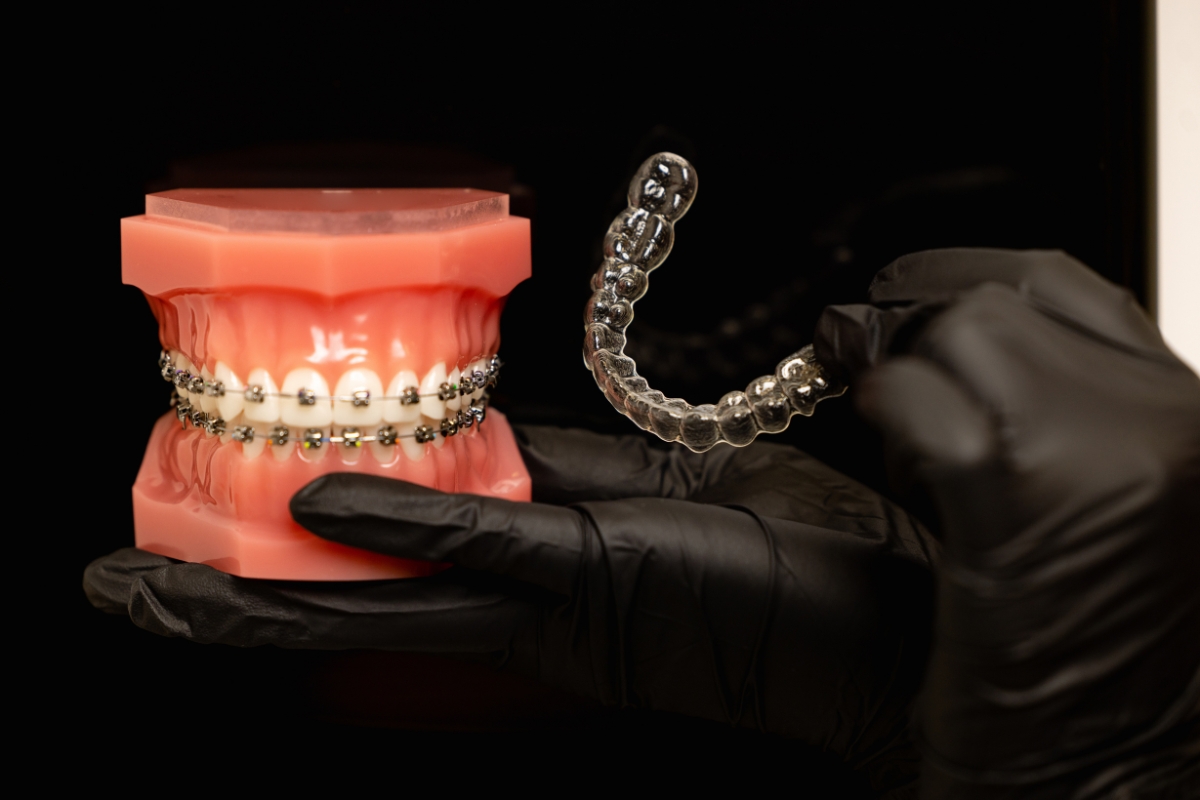
Returning to orthodontic treatment as an adult is increasingly common and nothing to feel embarrassed about. Today’s options, including clear aligners and discreet bracket systems, make it easier than ever to address shifting without the experience feeling like a step backward.
For Riverside residents curious about which orthodontic approach fits their lifestyle and goals, the team at Canyon Crest Dental’s orthodontics practice offers personalized consultations to walk you through every available option.
When Should Children Be Evaluated?
The American Association of Orthodontists recommends that children have their first orthodontic screening by age 7. At this stage, a mix of baby and adult teeth are present, which gives an orthodontist a clear picture of how the jaw and permanent teeth are developing.
Early evaluation doesn’t always mean early treatment but it does mean that if a problem is developing, it can be monitored and addressed at the most effective time. Waiting until all permanent teeth have come in can sometimes make correction more complex than it needed to be.
Ready for a Straighter, Healthier Smile in Riverside?
Recognizing the signs is the first step taking action is what actually changes things. Whether you’re dealing with crowding, a bite concern, jaw discomfort, or teeth that have gradually shifted, the right orthodontic care can make a meaningful difference in both how you feel and how you look.
At Canyon Crest Dental, our team is committed to helping Riverside patients of all ages achieve healthy, confident smiles in a welcoming, judgment-free environment. We take the time to understand your concerns, explain your options clearly, and build a treatment plan that works for your life.
Schedule your orthodontic consultation with Canyon Crest Dental today and take the first step toward a smile that works as good as it looks.
Frequently Asked Questions
At what age should I get an orthodontic evaluation?
Children should have their first screening by age 7, though orthodontic treatment is effective at any age. Adults seeking straighter teeth or bite correction are excellent candidates for modern orthodontic options.
Can adults benefit from orthodontic treatment?
Absolutely! There is no age limit for orthodontic treatment. Many adults choose clear aligners or discreet braces to correct alignment issues they’ve had for years or address teeth that have shifted over time.
How do I know if I need braces or aligners?
A professional evaluation is the only reliable way to determine which treatment fits your specific bite and alignment needs. Your orthodontist will assess your teeth, jaw, and X-rays before making a recommendation.
Can a bad bite cause headaches and jaw pain?
Yes. Misalignment puts uneven strain on the jaw muscles and joints, which can lead to chronic tension headaches, jaw soreness, and clicking sounds. Orthodontic correction often brings noticeable relief from these symptoms.
How long does orthodontic treatment take?
Treatment time varies depending on the complexity of the case, but most patients complete treatment within 12 to 24 months. Your orthodontist will provide a personalized timeline during your initial consultation.


