

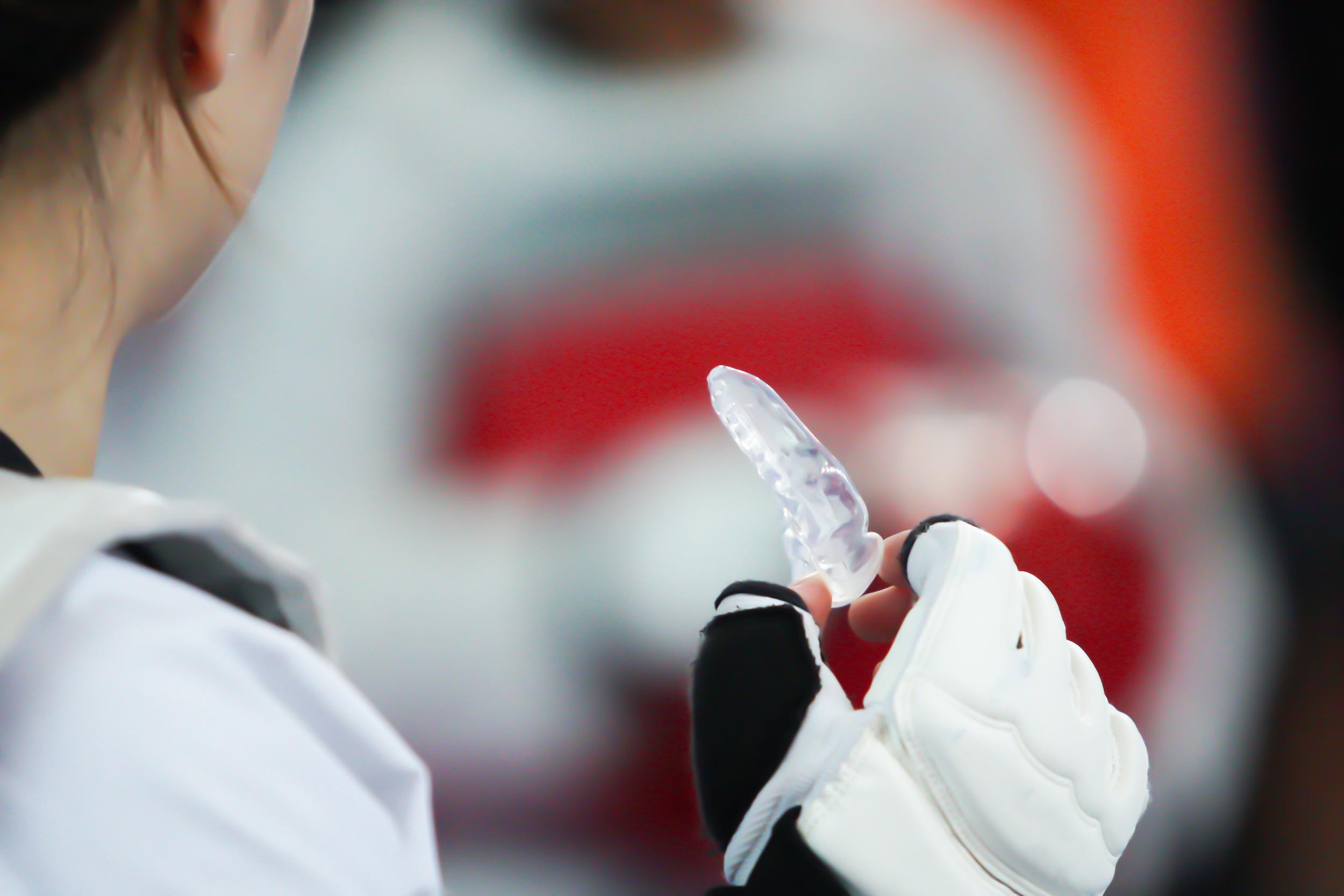
Blog Summary:
“Worried about protecting your teeth during sports? This guide explains which sports require a mouthguard, why dental protection is essential, and the benefits of custom-fit mouthguards over store-bought options. You’ll learn how mouthguards safeguard teeth, gums, and jaws, the specific sports where protection is crucial, and practical tips for care and durability. By the end, you’ll know how to keep your smile safe while staying active.”
Sports are an excellent way to stay fit, have fun, and enjoy competition. But they can also come with unexpected risks, especially when it comes to your teeth and mouth. Imagine getting hit in the face with a ball, an elbow, or even a stick.
Without proper protection, these incidents can lead to broken teeth, jaw injuries, or severe damage to the soft tissues inside your mouth. It’s alarming that athletes who don’t wear a protective dental device are 60 times more likely to experience a dental injury.
Investing in high-quality dental protection can make a world of difference. These simple yet highly effective devices help cushion the blow, absorb impacts, and prevent serious injuries to teeth and jaws.
In this blog, we’ll explore the sports where wearing a dental protector is essential, why investing in a high-quality mouthguard is a good idea, and why this oral equipment is necessary for anyone who takes their athletic activities seriously.
How Does a Dental Guard Safeguard Your Smile?
These devices protect your teeth, gums, and jaw during high-contact or high-risk activities. When you wear one, it helps absorb the force of any impact, spreading it evenly across your mouth and significantly reducing the likelihood of dental injury.
Here’s how it works:
Protecting Teeth: Whether you’re hit by a ball or another player, the cushioning effect helps prevent fractures or tooth loss.
Guarding the Jaw: A solid hit can dislocate the jaw or cause fractures, but a good fit will stabilize the jaw and distribute pressure evenly.
Preventing Gum Injury: Blows to the face can cause painful cuts to your gums, but wearing this protection reduces that risk by acting as a barrier.
Reducing the Risk of Concussions: While it’s not a concussion prevention tool, wearing one helps stabilize your head and jaw during impact, reducing the force transferred to your brain.
Wearing the right kind of protection, especially one that fits properly, is key to ensuring your teeth and mouth are safe from damage during your sports activities.
Think a simple fall or accidental hit won’t affect your teeth? Discover the real benefits of wearing mouthguards and how they can protect your smile in our detailed guide here.
Ready to Smile? Call Today!

Thanks for taking the time to learn more about the incredible care team at Canyon Crest Dental — from esteemed dentists like Dr. Merrihew and Dr. Nora, to our dedicated dental team who believe your care should be both comprehensive and courteous.
So why wait? Contact us and let our welcoming team start bringing out your brightest smile!
Which Sports Require or Recommend Wearing One?
You may wonder, “Which sports need this kind of protection?” The answer is that any sport involving physical contact or risk of injury should include it. Some sports even mandate it, while others highly recommend it for safety.
1. Football
Football is one of the most high-contact sports, with frequent tackles, hits, and collisions. Whether you’re playing professionally or at the youth level, the risk of dental injuries is significant. In most leagues, wearing a dental protector is mandatory to ensure player safety.
2. Basketball
While basketball isn’t as violent as football, players often get hit with elbows, knees, or the ball in the face. A fast-paced game with aggressive moves puts athletes at risk of breaking teeth or sustaining other injuries. Using dental protection can prevent severe damage and is always recommended for players.
3. Hockey
Ice hockey is one of the most dangerous sports when it comes to dental injuries. Between the pucks, sticks, and body checks, the risk of damage to the mouth is high. Many hockey leagues, both amateur and professional, require players to wear dental protection to safeguard against tooth loss and facial trauma.
4. Rugby
Rugby, like football, involves intense physical contact. Tackles, scrums, and sudden collisions increase the likelihood of mouth injuries. Protective devices are highly recommended for all players to reduce the risk of teeth, gums, and jaw damage.
5. Boxing and Martial Arts
Boxing and martial arts involve powerful strikes to the head and face. With frequent blows, the risk of tooth fractures, jaw dislocation, and cuts to the gums is high. These sports require athletes to wear dental protection to reduce the risk of severe facial injuries.
6. Lacrosse
In lacrosse, players use sticks and balls that can be launched at high speeds, and body checks are common. The force from these impacts can damage teeth and cause serious oral injuries, making dental protection essential for anyone involved in the sport.
7. Skateboarding and BMX
While not traditionally considered “contact” sports, skateboarding and BMX biking involve high-speed movements, flips, and sudden falls. A fall from a skateboard or bike can result in a face-first impact with the ground, which is why dental protection is also highly recommended for these activities.
As usual – my visit to Canyon Crest Dental was top notch. The office is clean, run efficiently and the employees are truly professional and caring. A few years ago – I had a terrible experience at different dental practice and did not return to a dentist for a couple of years!!
I was referred to Canyon Crest Dental and assured that they would treat me with care and concern. That was very true and my anxiety about going to the dentist is almost completely gone. Thank you to each employee there.
Don’t just take our word for it—see what our happy patients are saying in their Google reviews ✩✩✩✩✩ and experience the difference for yourself.
Why Choose a Custom Fit Over Store-Bought Options?
Though many people think that any dental protection will do, a custom-fit model offers a range of benefits over off-the-shelf options. Here’s why choosing one made specifically for you is worth the investment:
Better Fit and Comfort: Custom dental protectors are designed to match the contours of your mouth, ensuring they stay in place without causing discomfort. This means you’re more likely to wear it consistently.
Superior Protection: With a custom design, the device offers better shock absorption, reducing the risk of injuries. It fits snugly over your teeth and gums, ensuring every area of your mouth is properly protected.
Durability: Custom models are built to last longer than store-bought versions, providing more effective protection through multiple seasons of use.
Whether involved in contact sports or recreational activities, having one fitted to your mouth can provide peace of mind that you’re fully protected.
Safeguard Your Smile with Proper Protection
When it comes to sports, safety should always be a top priority. Investing in a high-quality dental protector is a simple step that can save you from severe injury and costly dental procedures. Whether you’re playing football, basketball, or skateboarding, this dental equipment can protect your smile and keep you safe in the event of an impact
Don’t wait for an injury; take action now and protect your mouth while you play.
At Canyon Crest Dental, we understand the importance of safeguarding your teeth, so we offer custom athletic mouthguards to ensure optimal protection during your favorite sports. Don’t wait for an injury. Contact us today to get fitted with your custom dental protector and keep your smile safe on the field, court, or wherever you play.
FAQs:
1. Why is a mouthguard important for sports?
A mouthguard helps protect your teeth, gums, and jaw from injuries during contact or high-risk sports, preventing fractures, tooth loss, and other serious oral injuries.
2. When should I wear a mouthguard during sports?
You should wear one anytime you participate in contact sports, such as football, basketball, hockey, or even activities like skateboarding, where there is a risk of falling.
3. How can a mouthguard help prevent a concussion?
While a mouthguard can’t prevent concussions, it helps absorb shock and stabilizes the jaw, which may reduce the severity of head injuries during impacts.
4. Can I use a generic mouthguard?
While generic options provide some protection, a custom-fit oral guard offers better comfort, durability, and protection, making it the preferred choice for athletes.
5. How long does a mouthguard last?
With proper care, a well-made mouthguard can last for an entire season or more. If it gets damaged or doesn’t fit properly anymore, it’s time to replace it.
6. How should I care for my mouthguard?
Clean your mouthguard with warm water and soap after each use. Store it in a clean case to protect it from damage and contamination.


