

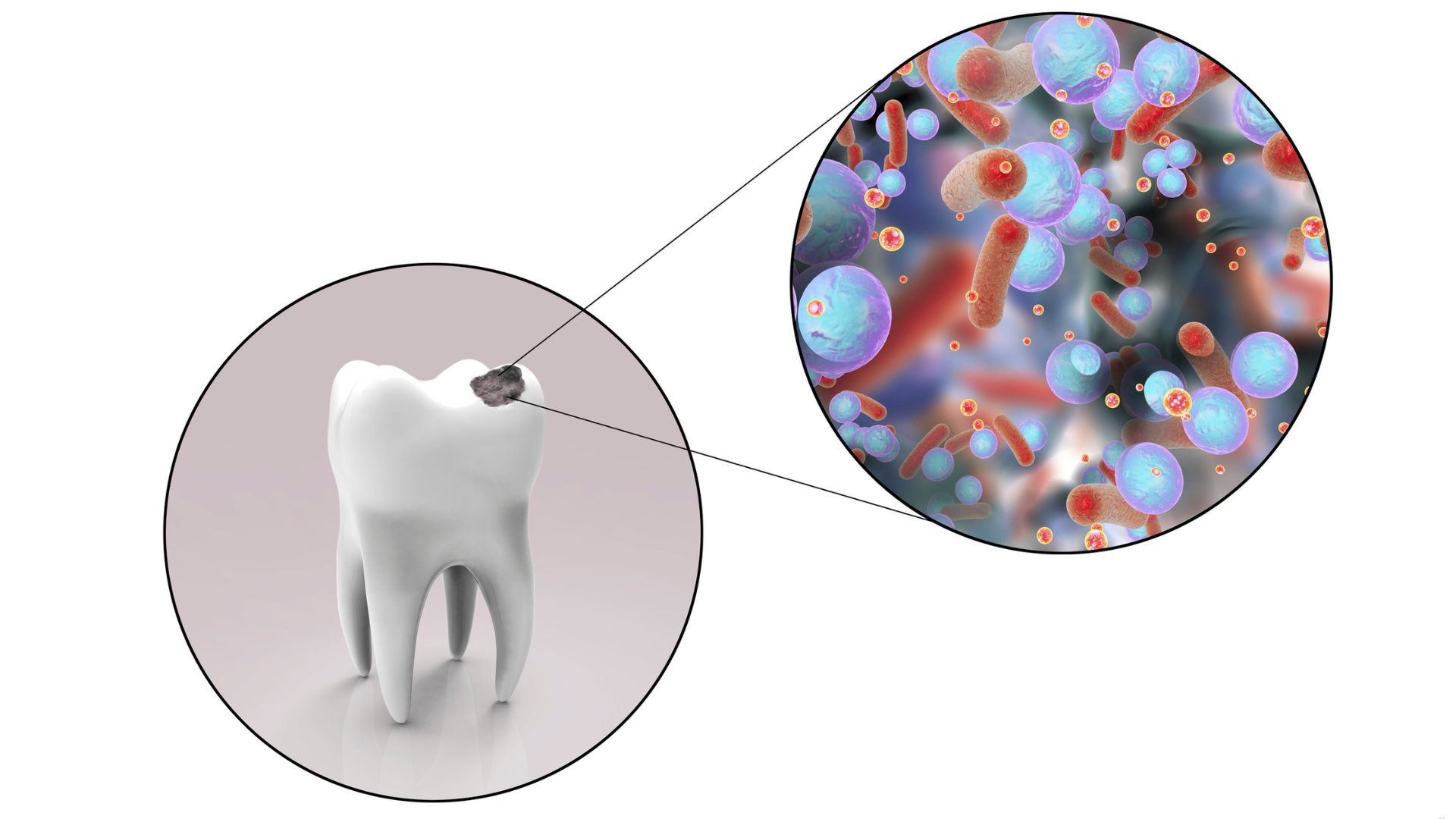
Have you ever thought about how your everyday eating habits affect your teeth? In the U.S., it is common to snack throughout the day, whether on chips, crackers, granola bars, soda, or sweetened coffee. However, most people forget that the food they eat turns out to be a significant cause of tooth decay. Want to learn more about it? Read this blog till the end for comprehensive information.
What Causes Tooth Decay?
Dental caries happens when bacteria in the mouth break down sugars and starches from food and turn them into acids. These acids attack the tooth’s outer layer, called enamel. With time, repeated exposure to acid weakens the enamel and leads to permanent damage in the form of cavities.
This process happens slowly, often without pain in the early stages. When left untreated, it results in discomfort, infection, or tooth loss.
How to Make Your Diet More Tooth-Friendly?
Making a few intentional adjustments to your daily eating and drinking habits significantly reduces the risk of decay. Therefore, here are simple but effective changes that a trustworthy dentist in Riverside recommends to support better oral hygiene.
Limit Snacking Between Meals
Frequent snacking causes your mouth to produce acids constantly. Every time you eat, especially sugary or starchy foods, bacteria in your mouth produce acid for up to half an hour. If you snack all day, your teeth never get a break. Therefore, stick to structured mealtimes, and if you do snack, choose foods that are low in sugar and do not cling to teeth.
Avoid Sipping Sugary Drinks Over Time
Slowly sipping on sweetened drinks like soda, sweet tea, energy drinks, or flavored coffee prolongs acid exposure. This is one of the most common causes of enamel erosion in American adults. Instead, drink these beverages with meals (not throughout the day) or reduce or eliminate them altogether. Keep in mind that plain water is always the best option.
Choose Water as Your Primary Beverage
Water rinses away food particles and dilutes acids produced by bacteria. Most public tap water in the U.S. is fluoridated, preventing tooth decay. If you mainly drink bottled or filtered water, check if it contains fluoride. Drinking enough water supports healthy saliva flow, which is essential for protecting your teeth.
Eat More Whole, Nutrient-Rich Foods
A diet that includes lean proteins, leafy greens, dairy products, and whole grains provides essential nutrients that strengthen enamel and support gum health. For example, calcium and phosphate found in milk, cheese, yogurt, and certain vegetables replenish the minerals your teeth loose during acid attacks.
Choose Snacks Wisely
If you need a snack between meals, choose options that support oral health instead of working against it. Some good choices include:
- Cheese, which neutralizes acid and is rich in calcium
- Plain yogurt provides probiotics and minerals
- Raw vegetables, like carrots and celery, help in keeping your teeth clean as you chew
- Nuts, which contain healthy fats and minerals, do not stick to teeth
Avoid snacks like chips, crackers, and sticky sweets that stay on your teeth long after you eat them. These foods not only nourish bacteria but are also difficult to remove with brushing alone.
Daily Habits You Can Opt for to Support Tooth Repair
While diet is crucial, maintaining proper oral hygiene constantly is also necessary. Thus, here are practices that you need to follow every day,
- Brush twice daily with fluoride toothpaste.
- Floss once a day to clean areas your brush can not reach.
- Consider using a fluoride rinse if advised by a trusted dental professional.
- Avoid eating or drinking after brushing at night. Saliva production slows down during sleep, leaving your teeth more vulnerable.
Top Signs of Tooth Decay That You Need to Watch For
This dental problem often starts quietly. Many people do not notice a problem until it begins bothering them or becomes visible. Recognizing these early symptoms lets you take action before the damage becomes serious. Therefore, here are some common warning signs.
Tooth Sensitivity
If you feel a sharp or mild pain when eating or drinking something hot, cold, sweet, or acidic, it is a sign that your enamel is weakening. Sensitivity is often before a cavity is visible.
White Spots on Teeth
These chalky or opaque spots are an early sign of mineral loss. At this stage, the decay can often be stopped or reversed with fluoride and regular oral care.
Mild Discomfort When Chewing
When biting down, you might experience mild pressure or discomfort. While we often overlook this, it signals that a cavity is developing.
Discoloration or Dark Spots
Brown, black, or gray spots on the teeth indicate decay beneath the surface. Even though these symptoms are often mistaken for stains, they point to something more serious.
Bad Breath or Unpleasant Taste
Continuous bad breath or a metallic taste in the mouth often results from decaying food particles trapped in cavities or active bacterial growth.
If you notice any of these signs, do not wait. Treating decay at an early stage is not only much easier, but with prompt care and professional support from a dentist in Riverside, it can sometimes be reversible! Therefore, if you are experiencing the signs of decay or just want to improve your oral health, get your oral health evaluated by a reliable dental practitioner.
However, when it comes to your oral health, do not compromise on the professional you choose. Thus, if you are in California and near Riverside, book your appointment at Canyon Crest Dental today.


