

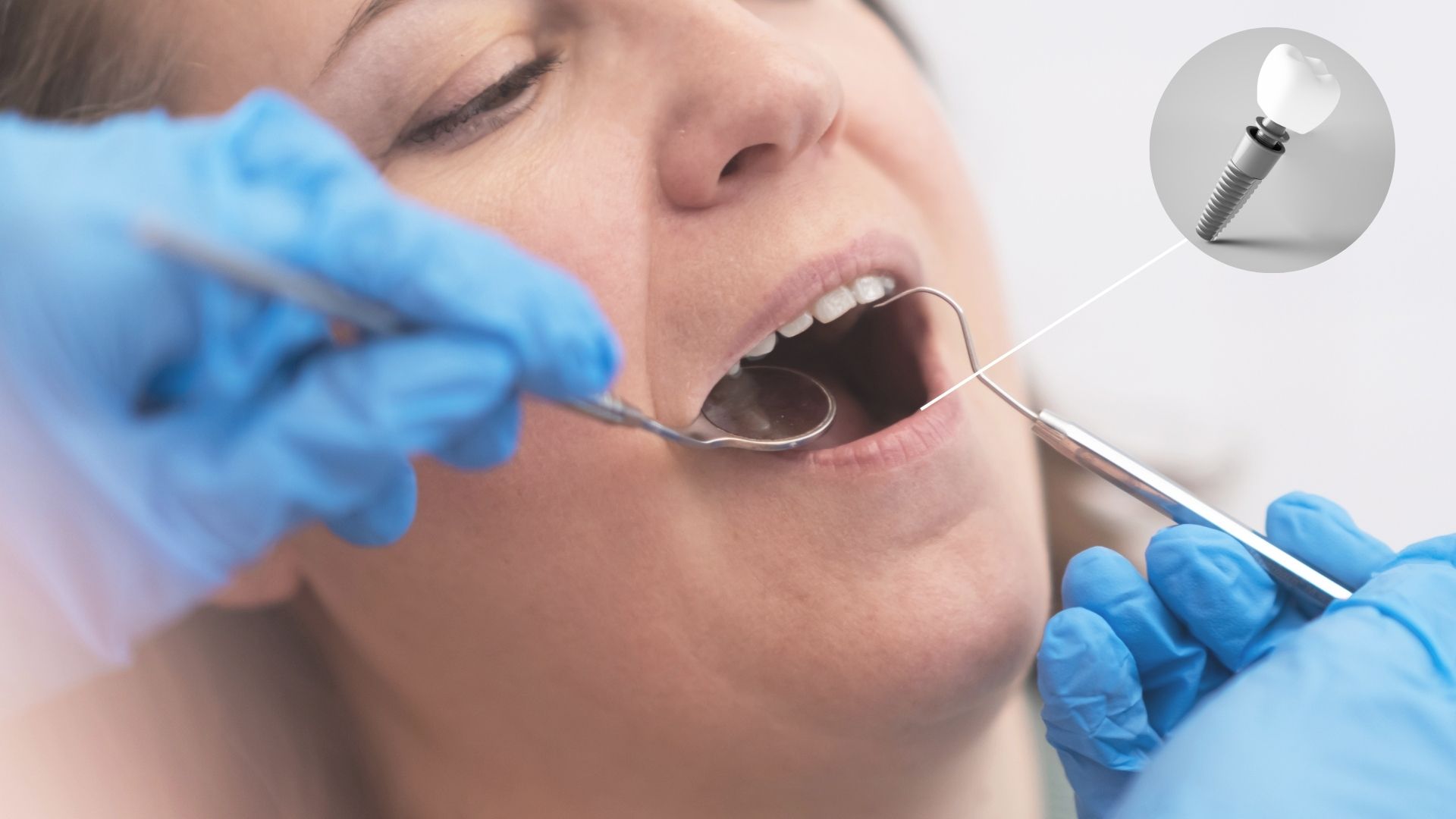
Say Goodbye to Missing Teeth, Hello to a Beautiful Smile
A bright, healthy smile is a universal symbol of youth, vitality, and confidence. Beautiful teeth are a desirable asset at any age. Fortunately, achieving your ideal smile is entirely possible, regardless of your current dental situation. Numerous options are available to help you attain the perfect set of pearly whites, from simple whitening procedures to more comprehensive restorative solutions.
Dental implants offer a compelling and long-lasting solution for those with missing or damaged teeth. While dentures were once the primary option for missing teeth, fixed dental prosthetics have become a popular and effective alternative treatment. These artificial tooth roots address many challenges and inconveniences associated with removable replacement teeth. They offer a level of stability and functionality that dentures simply cannot match.
Unlike dentures, which are held in place by adhesives and can sometimes shift or slip, implants are permanent. They are anchored to your jawbone using biocompatible metal posts and screws, typically made of titanium. This secure foundation eliminates the risk of slippage, the need for messy adhesives, and the potential for embarrassing moments. Opting for permanent tooth replacements over detachable dental plates provides unparalleled peace of mind, freeing you from concerns about the appearance, maintenance, and potential discomfort. You can eat, speak, and laugh confidently with dental implants.
How Can Implants Transform Your Smile and Your Life?
The benefits of dental implants extend far beyond just improving aesthetics. They significantly improve oral health, functionality, and overall quality of life.
- Preserving Bone Health
Missing teeth can lead to bone loss in the jaw, a process known as resorption. This can cause facial sagging, a prematurely aged appearance, and changes in facial structure. Dentures and bridges don’t address this underlying issue. Fixed dental prosthetics, with their titanium screws mimicking natural tooth roots, provide the necessary stimulation to the jawbone. They promote bone growth and prevent further bone deterioration. This helps maintain a youthful facial structure and supports the long-term stability of the implant.
- Maintaining Tooth Alignment
Even a single missing molar can have a cascading effect on your oral health. Adjacent teeth may shift into the empty space, creating unsightly gaps, crookedness, and bite problems. This misalignment can affect chewing efficiency, increase the risk of cavities and gum disease, and potentially cause temporomandibular joint (TMJ) disorders, leading to headaches and pain. Implants placed promptly after tooth loss act as placeholders, preventing these unwanted tooth movements and preserving the integrity of your bite.
- Achieving a Natural Smile and Function
Permanent tooth replacements function and feel remarkably like natural teeth. Dentures can restrict chewing ability, slip out of place, or make clicking sounds while eating or speaking. Implants allow you to eat any food you enjoy without hesitation. They restore your natural chewing force, improve speech clarity, and allow you to perform your routine activities with complete confidence. From eliminating the need for daily adhesive application and nightly removal required with dentures, expect a simplified oral hygiene routine with dental implants.
- Boosting Self-Confidence
Missing teeth can significantly impact self-esteem and confidence. Tooth implants restore a complete and natural-looking smile, allowing you to feel more comfortable and self-assured in social and professional situations. This boost in confidence can have a positive impact on all aspects of your life.
The Advantages of Dental Implants: A Comprehensive Look
The average adult between 20 and 64 has three or more missing or decayed teeth. Missing teeth can significantly impact self-confidence, oral health, and overall quality of life. Titanium tooth roots offer a permanent and comprehensive solution to restore your smile and improve your well-being. Here are some of the key benefits:
Natural Look and Feel
The biocompatible posts fuse with the jawbone through a process called osseointegration, creating a stable and permanent foundation for replacement teeth. They integrate seamlessly with your jaw, providing the same support and stability as natural teeth. No one will be able to tell that you have dental prosthetics.
A Lasting Investment
Implants are incredibly durable and, with proper care, can last a lifetime, making them a wise long-term investment in your oral health and overall well-being. While the initial cost may be higher than other tooth replacement options, the longevity and benefits of surgically placed roots make them a cost-effective choice for smile transformation.
Boosting Oral Health
Addressing damaged or missing teeth is crucial for preventing oral health issues. Untreated dental problems can spread decay and disease to other areas of the mouth. Periodontitis, a common gum disease, can lead to further tooth loss and other health complications. Prosthetic teeth can help restore oral health, prevent further bone loss, and improve overall oral hygiene. Because implants are individual units, they also make it easier to clean between teeth, reducing the risk of gum disease.
No Denture Hassles
Permanent replacement teeth require minimal maintenance. They don’t need to be removed for cleaning and are cared for just like natural teeth with regular brushing, flossing, and dental checkups. Implants stay securely in place, eliminating the slippage, clicking, and discomfort common with removable false teeth.
Types of Dental Implants: Choosing the Right Fit
Several types of dental implants cater to different teeth replacement needs, jawbone conditions, and treatment goals:
- Endosteal: These titanium implants are surgically placed directly into the jawbone. Their screw-like or cylindrical shape provides excellent stability for replacing single or multiple teeth. They are ideal for patients with healthy jawbones and sufficient bone density.
- Subperiosteal: For patients with insufficient bone height or density, subperiosteal dental prosthetics are placed on top of the jawbone but beneath the gum line. They offer a stable base for dentures or bridges when endosteal implants are not an option.
- Zygomatic: In cases of severe bone loss in the upper jaw, zygomatic implants anchor into the cheekbone (zygoma), providing a strong and reliable foundation for tooth replacement. This is a more complex procedure typically performed by a specialist.
- All-on-4: This innovative technique uses four strategically placed implants to support an entire arch of teeth. All-on-4 implants provide a stable, fixed solution for patients who have lost all their teeth or have severely damaged ones. It often avoids the need for bone grafting.
- Mini Implants: Smaller than traditional implants, mini prosthetics are often used to stabilize dentures or bridges. These are particularly suitable for patients with limited bone density or who are not candidates for traditional implant surgery.
The Dental Implant Journey: What to Expect Every Step of the Way
Understanding the steps involved in the teeth replacement procedure can ease anxieties and help you prepare for dental implants.
Initial Consultation and Evaluation
Your dentist will conduct a thorough examination, including X-rays, 3D imaging (like cone beam CT scans), and impressions, to evaluate your oral health, bone density, and identify potential issues. These records are used to create a personalized treatment plan and determine your candidacy for dental implants.
Pre-Surgery Preparation
Your dentist will provide detailed pre-operative instructions, which may include using an antibacterial mouthwash, taking antibiotics to prevent infection, dietary guidelines, and arranging transportation after the procedure. This is also a good time to discuss any anxieties or concerns.
Tooth Extraction (if needed)
If the damaged tooth is still present, it will be extracted. Sometimes, local anesthesia ensures a comfortable experience during tooth removal. Post-extraction care instructions will be provided by your practitioner, which may include avoiding smoking and using straws.
Implant Placement
A small opening is made in the gum tissue to reveal the jawbone. A small hole is then drilled in the jawbone to create a space for the titanium root. This procedure is typically well-tolerated with local anesthesia. Following implant placement, a soft food diet is usually recommended for some time to allow healing of the surgery site.
Abutment Placement
After the jawbone fuses with the implant (osseointegration), which can take several months, an abutment is attached. This serves as a connector for the final restoration with a crown.
Crown Placement
Once the gums have healed around the abutment, impressions are taken to create the final crown, which mimics the appearance of a natural tooth. The custom-made crown is then attached to the abutment, completing the implant process.
Embrace the Confidence of a Complete and Healthy Smile
When it comes to tooth replacement, nothing compares to the features of dental implants in Riverside. They offer a superior and long-lasting alternative to dentures and bridges in terms of function, appearance, and oral health. Getting these fixed tooth replacements can restore smiles, improve chewing ability, enhance speech, and boost self-confidence.
If you’re ready to achieve your dream smile and experience the life-changing benefits of dental implants, contact Canyon Crest Dental. Schedule a consultation with Dr. Merrihew, who is here to answer your questions on fixed dental prosthetics. We will address your concerns and help you regain your healthy, beautiful, and complete smile.


